

Playbook Advice:
A playbook is far more than a collection of X’s and O’s; it’s the primary communication tool between a coach and their players. At the youth level, the ultimate goal is to teach the fundamentals of the sport without overwhelming young athletes with unnecessary complexities. A well-structured playbook builds a player’s confidence, keeps them engaged with the game, and ensures that the team spends more time practicing and less time confused in the huddle.
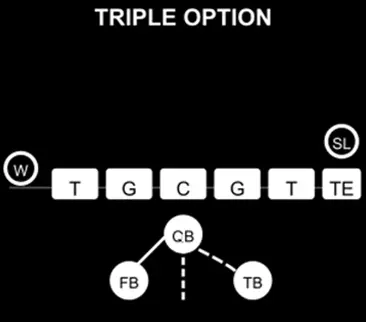
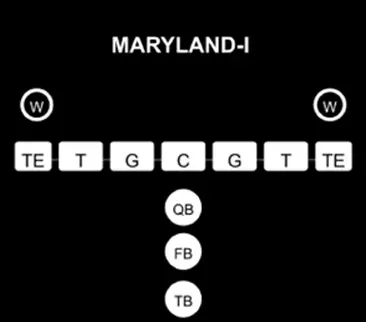
The Foundation:To achieve this, coaches should consider simple under the center-oriented system. Classic formations like the I, Maryland-I, and the triple option (far more popular in the mid 70’s but kept alive by military schools) are excellent choices. These systems are physically demanding but mentally simple, allowing players to master key movements and responsibilities that translate easily into higher levels of competition.
 Implementing a Code System:
One of the most effective ways to reduce mental fatigue is to use a logical coding system for play calling. Instead, if memorizing dozens of unique names players should be able to distinguish their job via consistent verbal cues
- Directional Runs: use a numbering system where even numbers indicate a run to the left while odd numbers indicate a run to the left.
- Defensive Cues: A common theme for defense is using animals to signal direction and blitz, such as shark for a right-side blitz or leopard for a left side blitz. These cues can also be made into a shift right or left.
- Aggressive Signals: For more specialized blitzes that involve multiple players using high energy words like “casino” or “fire” is an easy way to communicate the play without any further explanation.
One of the most effective ways to reduce mental fatigue is to use a logical coding system for play calling. Instead, if memorizing dozens of unique names players should be able to distinguish their job via consistent verbal cues.